Sinus Lift Procedure and Dental Implants
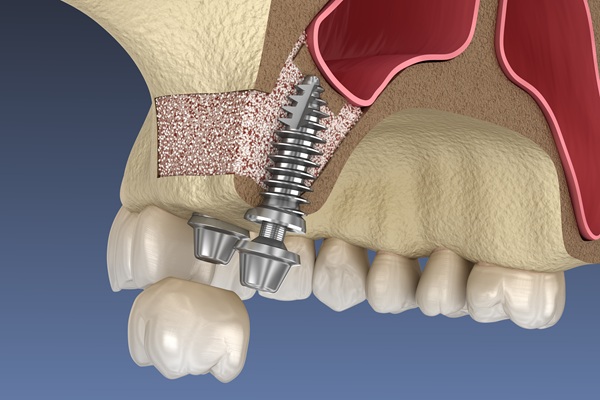
A sinus lift procedure is often necessary before the placement of dental implants to ensure a successful tooth replacement experience. This review highlights what patients can expect during a sinus lift procedure and when a dental professional may recommend a sinus lift before having dental implants placed in the upper jaw.
What to know about a sinus lift procedure before dental implant placement
A sinus lift procedure may be necessary for patients who have experienced bone loss in the jaw and do not have enough bone to adequately support implants. The procedure requires a specialist (i.e., an oral surgeon) to ensure the optimal safety and effectiveness of the results.
What is a sinus lift procedure?
A sinus lift procedure is a form of oral surgery in which bone is grafted in the upper jaw between the molars and premolars. This is done to ensure the successful placement and osseointegration of dental implants within the upper jawbone. The facial area in the upper jaw is a tight space, so to make room for the bone graft, the surgeon lifts the sinus membrane (hence the name).
When is a sinus lift procedure necessary for dental implants?
A sinus lift procedure may be necessary if there is bone loss in the upper jaw that prevents the ability to place the dental implants inside of the jaw. This is particularly the case if implants are being placed in the upper jaw around the area where the premolars and molars were. Without a sinus lift procedure to restore lost jawbone, the risk of dental implant failure is much higher.
How can I prepare for a sinus lift procedure?
The oral surgeon can provide detailed preparation instructions to ensure the patient is prepared mentally and physically for the surgical procedure. The bone that is used to replace the lost jawbone during a sinus lift procedure is taken either from another part of the body, from an allogenic bone, or from synthetic material. If bone is taken from another part of the body, then this typically takes place during the procedure.
What is the recovery process like?
The primary goal of recovery is to prevent infection. Subsequently, the surgeon may provide antimicrobial mouthwash, antibiotics, and oral care instructions. Patients are able to return home on the same day as the procedure once they are conscious and the effects of the anesthesia wear off. However, they are required to arrange for a ride home.
What is the next step in the dental implant process?
Once the mouth heals after the sinus lift procedure, then implant placement can be arranged, and the patient can continue with the established teeth replacement schedule.
Talk to our oral surgeon about the sinus lift procedure and dental implants
If you have questions about the sinus lift procedure or dental implants in general, then contact our oral surgery team today. We are glad to answer your questions, address your concerns, and arrange for a consultation visit to discuss the sinus lift procedure and dental implants.
Request an appointment here: https://www.morrisoralsurgery.com or call Morris Oral Surgery & Implant Center at (973) 400-5254 for an appointment in our Morris Plains office.
Check out what others are saying about our services on Yelp: Sinus Lift in Morris Plains, NJ.
Related Posts
Oral surgery is a specialized field of dentistry focusing on oral pathology. It involves various surgical approaches to diagnose, treat, and manage various conditions affecting the mouth, jaw, and surrounding structures. While many dental issues are resolved through non-surgical treatments, certain conditions require oral surgery to achieve optimal outcomes.Impacted teeth are among the most common…
Your dentist may suggest oral surgery if you have significant facial trauma. This procedure is also an option if you have severe dental decay or gum disease. Periodontal deformities often need this kind of surgery as well. Common procedures include dental implant placements or dental extractions. Here are the details about when your dentist may…
Oral surgery can address various dental issues, providing relief and preventing further complications from impeding oral health. While people may not always be eager to go through surgery, it can be the most effective option for treatment. Here are a few tips to help the recovery period run smoothly.One of the most important things to…
Your oral surgery consultation is necessary before you go through the procedure. This visit will give your provider enough information about your dental and general health. It is also a chance for you to inquire about the surgery. Here are three questions that you can ask your provider before your oral surgery.Each procedure and patient…