Oral Surgeon Bone Grafting for Dental Implants FAQs
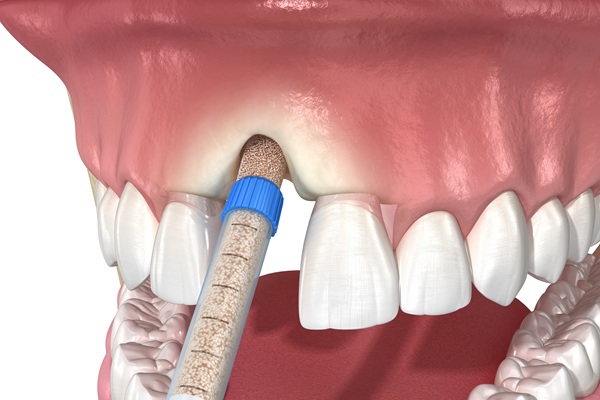
Bone grafting is a minor surgical treatment done under local anesthetic to replace depleted bone tissue. The grafting material may be inserted into a tooth socket just after a tooth is removed or at a location where a tooth has been absent for an extended period. Over the next few months, your body will produce new bone cells to replace the transplant material. Frequently asked questions about this procedure include the following.
Why is this treatment important before a dental implant procedure?
A dental implant is a permanent fixture and should remain in place for a lifetime. However, it must bond solidly to the jawbone for this to happen. Without enough bone volume, there is a risk of dental implant failure. When a tooth is lost, bone quality and quantity nearly always degrade, usually unnoticed.
It is possible that there will not be enough bone remaining to guarantee implant success by the time that a person chooses to get an implant. This is why the oral surgeon often recommends a bone grafting procedure. It is also why patients should replace a lost tooth as soon as possible and why many dentists propose a bone transplant after the extraction process.
What is the source of the grafting material?
It may originate from several places, including the patient’s body. That said, synthetic materials and laboratory-processed bone from a human or animal donor are now often utilized.
What is the risk of the grafting material?
Grafting material derived from the patient’s body poses no health risk. However, this procedure has a drawback because it necessitates the creation of a second surgical site where the bone material is sourced. Mineral bone alternatives, whether made from human or animal bone, represent a low danger of infectious disease transmission because they are thoroughly tested before use. Therefore, graft materials have been demonstrated to be exceedingly safe. Also, mineral transplant materials do not stay in the body but are absorbed and replaced gradually by the natural bone.
Is the process painful?
A tiny incision in the gum is made to reach the bone underneath it for bone grafting. As a result, the patient may suffer some discomfort after the operation. Most patients find that ice packs applied to the jaw and over-the-counter anti-inflammatory medicine and painkillers may help them manage their symptoms.
How long do healing and recovery take?
In a day or two, patients can return to their routine. However, the bone-regeneration process will have only barely started at this time. The body will keep regenerating new bone cells and eliminate the grafting material over the following months.
Is it possible for the body to reject the graft?
No, the body cannot reject the graft because it is made entirely of minerals and contains no living material. The only question is how much bone the body will produce due to the transplant. More grafting material may be added at the same time that the implant is put in if there is still not adequate bone by the time the graft has healed.
In conclusion
If you have more questions about bone grafting, book an appointment with the oral surgeon.
Request an appointment here: https://www.morrisoralsurgery.com or call Morris Oral Surgery & Implant Center at (973) 400-5254 for an appointment in our Morris Plains office.
Check out what others are saying about our services on Yelp: Bone Grafting in Morris Plains, NJ.
Related Posts
Oral surgery is a specialized field of dentistry focusing on oral pathology. It involves various surgical approaches to diagnose, treat, and manage various conditions affecting the mouth, jaw, and surrounding structures. While many dental issues are resolved through non-surgical treatments, certain conditions require oral surgery to achieve optimal outcomes.Impacted teeth are among the most common…
Your dentist may suggest oral surgery if you have significant facial trauma. This procedure is also an option if you have severe dental decay or gum disease. Periodontal deformities often need this kind of surgery as well. Common procedures include dental implant placements or dental extractions. Here are the details about when your dentist may…
Oral surgery can address various dental issues, providing relief and preventing further complications from impeding oral health. While people may not always be eager to go through surgery, it can be the most effective option for treatment. Here are a few tips to help the recovery period run smoothly.One of the most important things to…
Your oral surgery consultation is necessary before you go through the procedure. This visit will give your provider enough information about your dental and general health. It is also a chance for you to inquire about the surgery. Here are three questions that you can ask your provider before your oral surgery.Each procedure and patient…